
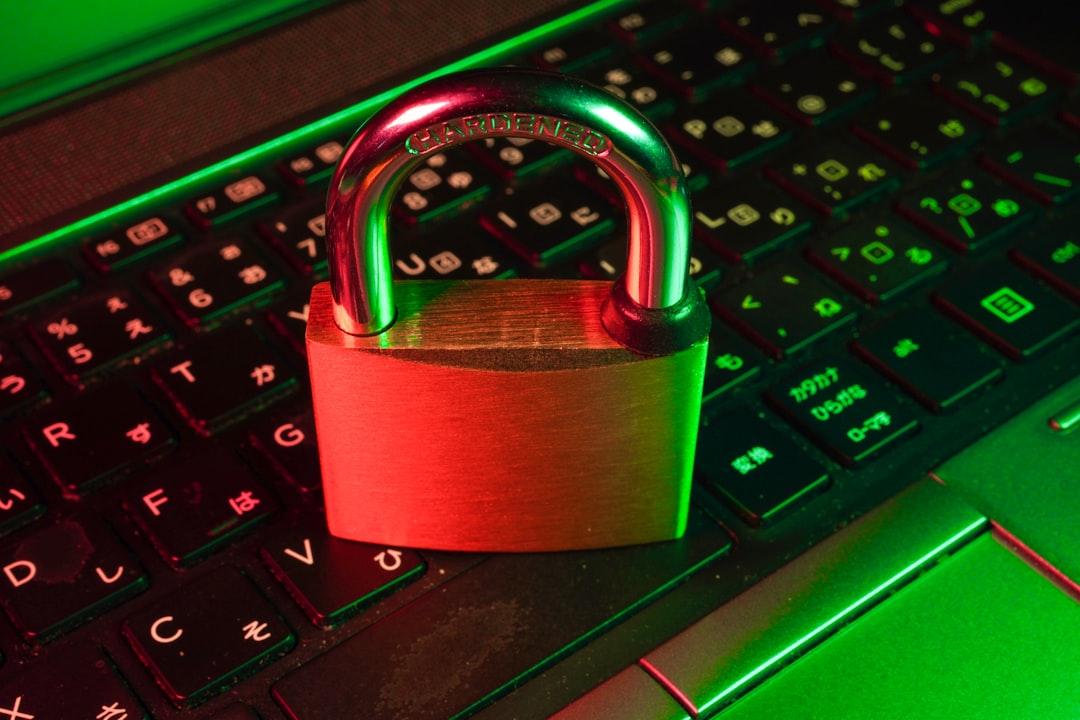
You Just Got a PCI Compliance Notice — Don’t Panic
If you’re reading this because your payment processor just sent you a confusing email about PCI compliance, take a deep breath. For most small businesses in Michigan, achieving PCI compliance is simpler than you think. That intimidating questionnaire? It’s probably just a few pages of yes/no questions about basic security practices you’re already following.
Here’s the bottom line: if you accept credit cards, you need to complete an annual self-assessment questionnaire (SAQ) and possibly run quarterly security scans. Most small merchants can knock this out in an afternoon. You don’t need a computer science degree, and you definitely don’t need to hire expensive consultants — at least not yet.
What Is PCI Compliance (In Plain English)
PCI DSS stands for Payment Card Industry Data Security Standard. Think of it as a security checklist created by the major card brands (Visa, Mastercard, American Express, Discover) to protect credit card data. If you accept card payments in any form — whether through a terminal, online, or over the phone — these rules apply to you.
The card brands created the PCI Security Standards Council (PCI SSC) to manage these standards, but they don’t enforce them directly. That’s your acquirer’s job — the bank or payment processor that handles your card transactions. When they send you that compliance questionnaire, they’re basically saying, “Hey, the card brands require us to make sure you’re protecting card data properly.”
What happens if you ignore it? Your processor can fine you (typically $25-100 per month for small merchants), you’ll be liable for fraud losses if there’s a breach, and in extreme cases, they can terminate your ability to accept cards. The good news? Compliance protects your business too — following these practices significantly reduces your risk of a costly data breach.
For small businesses, the requirements are usually straightforward. You’re not building Fort Knox here. The standards recognize that a local retailer with a standalone terminal has very different security needs than Amazon.
Do You Need to Be PCI Compliant?
Simple answer: if you accept credit or debit cards in any form, yes. It doesn’t matter if you’re a solo consultant who takes one payment a month or a busy restaurant — if card numbers flow through your business, PCI DSS applies.
Your merchant level depends on your annual transaction volume:
- Level 4: Under 20,000 e-commerce transactions OR under 1 million total transactions (that’s you, probably)
- Level 3: 20,000 to 1 million e-commerce transactions
- Level 2: 1 to 6 million transactions
- Level 1: Over 6 million transactions
Most Michigan small businesses fall into Level 4, which means you can self-assess your compliance using an SAQ rather than hiring a Qualified Security Assessor (QSA) for a formal Report on Compliance (ROC).
That questionnaire your processor sent? It’s their way of collecting your annual self-assessment. They’re required by the card brands to ensure all their merchants maintain compliance. The specific form they want depends on how you accept payments — which brings us to SAQ types.
Which SAQ Do You Need?
The Self-Assessment Questionnaire comes in different flavors, each tailored to how you handle card payments. Here’s how to figure out which one applies to your business:
Payment Method to SAQ Type Guide
| How You Accept Payments | Your SAQ Type | Number of Questions | Complexity |
|---|---|---|---|
| Payment page fully hosted by provider (PayPal, Square Online) | SAQ A | ~20 | Easiest |
| E-commerce with payment fields on your site (Stripe Elements) | SAQ A-EP | ~140 | Moderate |
| Standalone terminals only, no electronic storage | SAQ B | ~40 | Easy |
| Standalone terminals with IP connection | SAQ B-IP | ~80 | Easy-Moderate |
| Virtual terminal or phone orders, no storage | SAQ C-VT | ~80 | Moderate |
| Any electronic storage or processing of card data | SAQ D | ~330 | Complex |
Real-world examples:
- Running a Shopify store? You’re probably SAQ A since Shopify handles all the card data
- Using a Square terminal at your farmers market booth? That’s SAQ B-IP
- Taking orders over the phone and entering them into a virtual terminal? You need SAQ C-VT
- Storing card numbers in QuickBooks or Excel? Stop immediately, and prepare for SAQ D
Not sure which applies? PCICompliance.com’s SAQ Wizard walks you through a few simple questions about your payment setup and tells you exactly which questionnaire you need. No guesswork required.
How to Complete Your SAQ
Your SAQ is essentially a security checklist with yes/no questions. When you answer “yes,” you’re confirming you have that security control in place. Here’s what to expect:
The questionnaire structure: Each question addresses a specific security practice. For SAQ A (the simplest), you’ll see questions like “Do you review your service providers’ PCI compliance status annually?” For more complex SAQs, you’ll answer questions about firewall configurations, encryption methods, and access controls.
Documentation you’ll need:
- List of all payment applications and service providers
- Your network diagram (for SAQ B-IP and above)
- Security policies (even basic ones count)
- Evidence of your quarterly ASV scans (if required)
The quarterly ASV scan: If you’re SAQ B-IP, C-VT, or D, you need quarterly vulnerability scans from an Approved Scanning Vendor. This automated scan checks your internet-facing systems for security holes. It takes about 10 minutes to set up and runs automatically. Budget around $200-300 per year for a scanning service.
Submitting your compliance package: Once complete, you’ll generate an Attestation of Compliance (AOC) — basically a formal declaration that you’ve completed the assessment. Submit this along with your SAQ and ASV scan reports to your processor through their compliance portal.
Most small merchants can complete their SAQ in 1-2 hours once they understand what’s being asked.
What It Costs
Let’s talk real numbers for small Michigan businesses:
Compliance tools and platforms: $150-500 per year for SAQ completion tools, compliance tracking, and basic support. Some processors include basic tools with your merchant account.
ASV scanning: $200-300 per year for required quarterly scans. This covers all four scans plus any re-scans needed to pass.
Professional help (if needed):
- SAQ completion assistance: $500-1,500
- Full QSA assessment (only for Level 1 merchants): $10,000-50,000
The cost of NON-compliance:
- Monthly non-compliance fees: $25-100 (every month until you comply)
- Breach liability: $50-90 per compromised card
- Forensic investigation costs: $10,000+
- Loss of card acceptance privileges: Priceless (and business-ending)
For most small merchants, annual compliance runs less than the cost of a single month’s non-compliance fine from your processor. It’s genuinely cheaper to comply than to ignore it.
Staying Compliant Year-Round
PCI compliance isn’t a one-and-done exercise — it’s an annual requirement with some quarterly elements. Here’s how to stay on track:
Set up your compliance calendar:
- Annual SAQ due date (usually on your merchant account anniversary)
- Quarterly ASV scans (if required) due every 90 days
- Annual review of service provider compliance status
- Annual security training for staff handling cards
What triggers a reassessment:
- Changing payment processors or methods
- Adding new locations or sales channels
- Starting to store card data (please don’t)
- Significant network or system changes
Making it manageable: PCICompliance.com’s compliance dashboard tracks all your deadlines, stores your documentation, and sends reminder emails before due dates. No more scrambling when your processor sends that annual notice.
Keep it simple: The easiest way to maintain compliance is to minimize your PCI scope. Use P2PE terminals, hosted payment pages, and tokenization wherever possible. The less card data touches your systems, the simpler your compliance requirements.
FAQ
I’m just a small shop — do I really need to worry about this?
Yes, but don’t panic. Your size works in your favor — you likely qualify for one of the simpler SAQ types that takes an hour or two to complete annually. The requirements scale with your risk level.
What if I only process a few transactions per month?
Volume doesn’t matter for compliance requirements — even one transaction means you need to comply. However, you’re definitely Level 4, which means self-assessment is sufficient.
Can I just pay someone to handle all this for me?
Absolutely. Many managed service providers offer compliance-as-a-service. For small merchants, expect to pay $500-1,500 annually for someone to handle your SAQ, scanning, and documentation.
My processor says I need quarterly scans — what are those?
ASV scans are automated security scans of your internet-facing systems. They check for known vulnerabilities like outdated software or misconfigurations. Each scan takes minutes to run and costs about $50-75.
What’s the difference between PCI compliance and EMV?
EMV (chip cards) is about fraud prevention at the point of sale. PCI compliance covers overall cardholder data security. You need both — EMV terminals for fraud protection and PCI compliance for data security.
I use Square/PayPal/Stripe — aren’t they responsible for compliance?
They’re responsible for their part, but you still have compliance obligations. Using compliant providers makes your life easier (usually SAQ A), but you still need to complete your annual assessment.
What if I fail my ASV scan?
No problem — this happens to most merchants initially. The scan report tells you exactly what to fix. Make the changes, rescan (usually free within 30 days), and you’re good to go.
How long do I need to keep compliance documentation?
Keep your current year plus the previous year’s documentation. When your processor asks for proof of compliance, you’ll need to show your most recent AOC and possibly your SAQ.
Your Next Steps
PCI compliance might seem overwhelming at first glance, but for most Michigan businesses, it’s a manageable annual task that protects both your business and your customers. Start by figuring out which SAQ type applies to your payment methods — that alone will show you exactly what you’re dealing with.
Remember, you’re not alone in this. Your payment processor wants you to succeed (non-compliant merchants are risky for them too), and tools like PCICompliance.com make the process straightforward. Our free SAQ Wizard identifies your exact requirements in minutes, our ASV scanning service handles those quarterly scans automatically, and our compliance dashboard keeps you on track throughout the year.
Don’t let that compliance notice sit in your inbox causing anxiety. Whether you tackle it yourself or get some help, addressing PCI compliance head-on is always easier (and cheaper) than dealing with fines or breach liability down the road. Start with our free SAQ Wizard to see exactly what you need to do, or reach out to our compliance team if you need guidance. Most merchants are surprised by how quickly they can check this off their list.