PCI Data Breach Response: What to Do If Compromised

A wooden block spelling security on a table

PCI Data Breach Response: What to Do If Compromised Introduction A PCI data breach represents one of the most serious threats facing businesses that handle credit card transactions today. When cardholder data is compromised, the consequences extend far beyond immediate financial losses—encompassing regulatory penalties, legal liabilities, reputational damage, and potential loss of payment processing privileges. … Read more


Tokenization vs Encryption: Which Is Better for PCI?

a golden padlock sitting on top of a keyboard

Tokenization vs Encryption: Which Is Better for PCI? When protecting cardholder data for PCI DSS compliance, two primary methods dominate the conversation: tokenization and encryption. Both approaches can significantly reduce your PCI compliance scope and protect sensitive payment information, but they work in fundamentally different ways and offer distinct advantages depending on your business needs. … Read more

PCI Cloud Hosting: AWS, Azure, and GCP Compliance

A single cloud floats above ancient stone ruins.

PCI Cloud Hosting: AWS, Azure, and GCP Compliance Introduction PCI cloud hosting refers to the practice of storing, processing, or transmitting cardholder data (CHD) using cloud infrastructure services that maintain Payment Card Industry Data Security Standard (PCI DSS) compliance. As organizations increasingly migrate their payment processing systems to cloud environments, understanding how to leverage Amazon … Read more

PCI Compliance Software: Tools to Automate Compliance

Hands typing on a laptop computer screen

PCI Compliance Software: Tools to Automate Compliance Managing PCI DSS compliance manually is a complex, time-consuming process that leaves room for human error. PCI compliance software offers businesses automated tools to streamline vulnerability scanning, security monitoring, compliance reporting, and ongoing maintenance of payment card security standards. This comprehensive guide covers the landscape of PCI compliance … Read more

PCI Access Control: Need-to-Know and Least Privilege

white wooden door with silver door lever

PCI Access Control: Need-to-Know and Least Privilege Introduction PCI access control represents one of the foundational security principles mandated by the Payment Card Industry Data Security Standard (PCI DSS). At its core, PCI access control enforces two critical security concepts: need-to-know basis and least privilege access. These principles ensure that individuals can only access cardholder … Read more

PCI QSA: When You Need a Qualified Security Assessor

a couple of pens sitting on top of a notebook

PCI QSA: When You Need a Qualified Security Assessor Introduction When it comes to PCI DSS compliance, many businesses find themselves at a crossroads: Can they handle compliance validation internally through Self-Assessment Questionnaires (SAQs), or do they need to bring in a Qualified Security Assessor (QSA)? This decision isn’t just about preference—it’s often mandated by … Read more

SaaS PCI Compliance: Guide for Software Companies

white cloud under clear sky

SaaS PCI Compliance: Guide for Software Companies Introduction The Software-as-a-Service (SaaS) industry has experienced explosive growth, with global SaaS revenue expected to exceed $300 billion by 2025. As more businesses migrate their operations to cloud-based software solutions, SaaS providers increasingly handle sensitive payment card data, making PCI DSS compliance not just important—but essential for business … Read more

SAQ C Guide: Payment Application Security Requirements

a close up of a pair of business cards and a pen

SAQ C Guide: Payment Application Security Requirements Introduction The Self-Assessment Questionnaire C (SAQ C) represents a critical compliance framework for merchants who operate in the increasingly complex landscape of payment card processing. As one of the more comprehensive SAQ types, it addresses the security requirements for businesses that process cardholder data through specific payment channels … Read more

PCI MFA Requirements: Multi-Factor Authentication Guide

a red security sign and a blue security sign

PCI MFA Requirements: Multi-Factor Authentication Guide Introduction Multi-Factor Authentication (MFA) has become a cornerstone of modern cybersecurity and represents one of the most critical security controls within the Payment Card Industry PCI and Accounting Standard (PCI DSS). As cyber threats continue to evolve and credential-based attacks become increasingly sophisticated, implementing robust MFA systems is no … Read more

PCI Network Segmentation: Reduce Your Compliance Scope

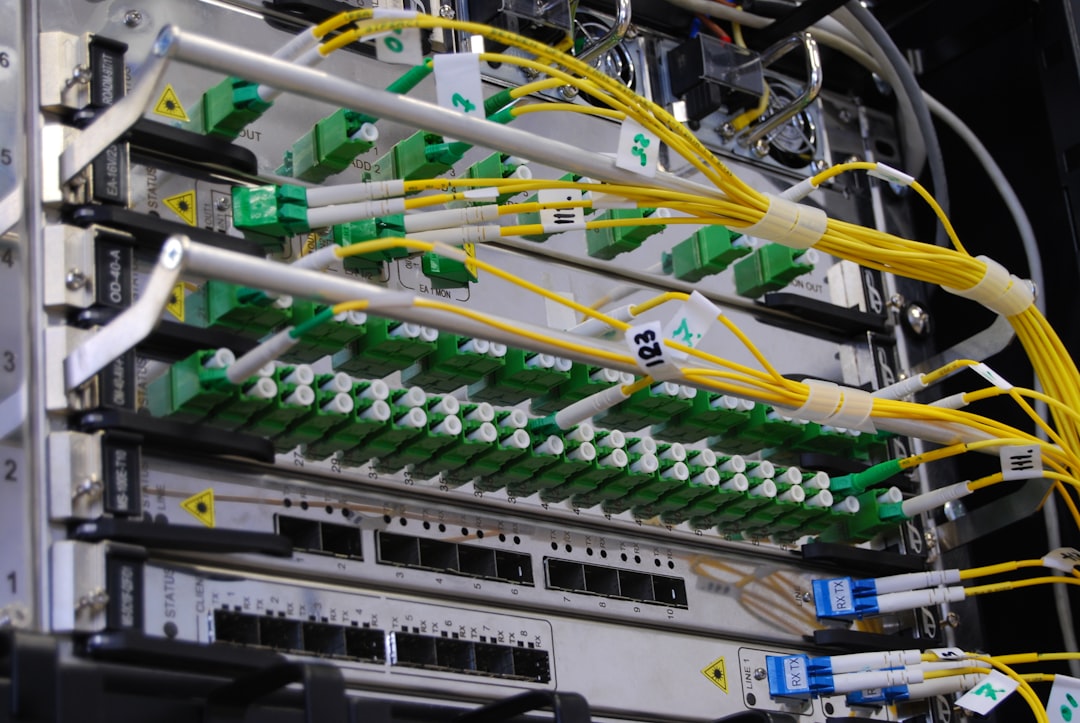
green and white electric device

PCI Network Segmentation: Reduce Your Compliance Scope Introduction Network segmentation represents one of the most powerful strategies for reducing PCI DSS compliance scope while enhancing overall security posture. By creating isolated network environments, organizations can limit the systems that handle, process, or transmit cardholder data (CHD), effectively reducing the number of systems subject to PCI … Read more

icon 1,650 PCI scans performed this month
check icon Business in Austin, TX completed their PCI SAQ A-EP