Chargebee vs Recurly: PCI

a close up of a piece of paper with arrows

Chargebee vs Recurly PCI Bottom Line: For most subscription merchants, Chargebee’s broader payment integrations and more mature tokenization architecture reduce PCI scope more effectively than Recurly. Choose Chargebee if you need global payment flexibility with minimal compliance burden, or Recurly if you’re already deep in their ecosystem and comfortable with their more limited payment options. … Read more

FreshBooks vs Wave: PCI

Miniature houses with euro banknotes and sticky notes.

FreshBooks vs Wave: PCI Compliance for Accounting Software Users Bottom Line If you process payments through either FreshBooks or Wave’s native payment features, you’re likely facing SAQ A compliance requirements — the simplest path in PCI. The key difference: FreshBooks users typically maintain lighter compliance obligations due to its payment architecture, while Wave Payments users … Read more

Lightspeed vs Square: PCI

a person holding a credit card and a cell phone

Bottom Line Lightspeed vs Square PCI compliance is straightforward: both platforms qualify you for SAQ A, the simplest PCI compliance path available. The real difference lies in integration complexity — Square’s all-in-one approach keeps you in SAQ A territory almost automatically, while Lightspeed’s flexibility means you need to verify your specific setup maintains that simplified … Read more

Toast vs TouchBistro: Restaurant PCI

a field of grass and trees

Toast vs TouchBistro: Restaurant PCI Bottom Line: Toast provides an integrated payment solution that typically qualifies restaurants for SAQ B-IP with minimal PCI scope, while TouchBistro requires third-party payment processors that may lead to SAQ B, SAQ C-VT, or SAQ P2PE depending on your integration choices. For most restaurants prioritizing simplicity and reduced compliance burden, … Read more

SiteLock vs Sucuri for PCI

two cards with letters on wooden surface

SiteLock vs Sucuri for PCI Bottom Line For PCI compliance, neither SiteLock nor Sucuri functions as a comprehensive compliance solution — they’re web application firewalls (WAFs) that can help meet specific requirements within your broader compliance program. Sucuri typically offers better value for merchants who need basic WAF functionality to meet Requirement 6.6, while SiteLock … Read more

Rapid7 vs Qualys for PCI

Miniature houses with euro banknotes and sticky notes.

Rapid7 vs Qualys for PCI Compliance Bottom Line For most merchants needing PCI compliance scanning, Qualys provides the simpler path with integrated ASV scanning, automated reporting, and PCI-specific workflows built into the platform. Rapid7 excels when you need broader vulnerability management beyond PCI requirements, but requires more configuration to align with PCI DSS standards. What’s … Read more

Braintree vs Authorize.Net

3 12 fl oz 3 ml e bottle

Bottom Line Braintree is the better choice for most modern merchants — it offers stronger PCI compliance features with tokenization and hosted fields that reduce your scope to SAQ A eligibility, plus built-in fraud tools and transparent pricing. Authorize.Net remains solid for merchants with complex legacy integrations or specific gateway requirements, but requires more security … Read more

Stripe Billing vs Chargebee: PCI

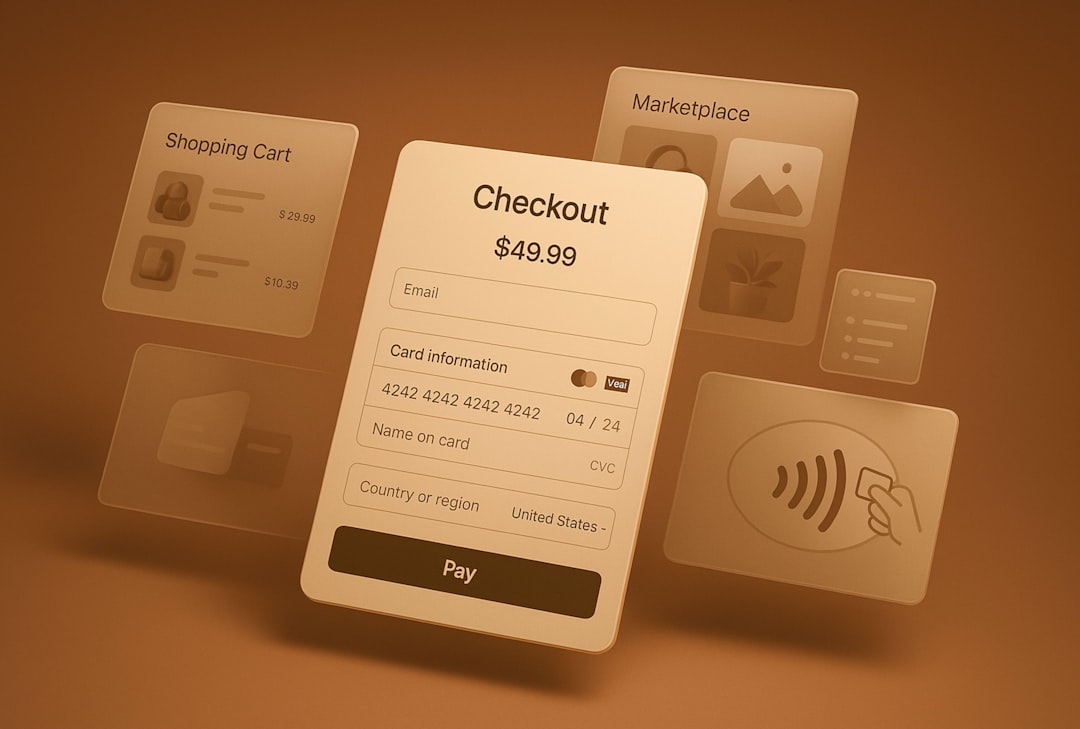
Online checkout screen with payment details and shopping cart.

Stripe Billing vs Chargebee: PCI Compliance Comparison for Subscription Businesses Bottom Line For most subscription businesses, both Stripe Billing and Chargebee offer similar PCI compliance profiles — you’ll typically qualify for SAQ A with either platform when properly implemented. The real differentiator isn’t compliance scope but rather how each platform handles your specific billing complexity, … Read more

GoCardless vs Stripe: PCI

Man in shirt and tie using laptop and credit card.

GoCardless vs Stripe: PCI Compliance Comparison Guide Bottom Line For most merchants, Stripe offers significantly simpler PCI compliance with SAQ A eligibility through their hosted payment pages, while GoCardless requires SAQ A-EP or SAQ D compliance for direct debit processing. If you’re primarily accepting card payments and want minimal PCI scope, choose Stripe; if you … Read more

Datadog vs Splunk: PCI

text

Datadog vs Splunk: PCI When evaluating Datadog vs Splunk for PCI compliance, most merchants find Splunk better suited for comprehensive log management and security event monitoring required by PCI DSS, while Datadog excels at infrastructure and application performance monitoring with solid but less specialized security capabilities. Your choice depends on whether you need a dedicated … Read more

icon 1,650 PCI scans performed this month
check icon Business in Austin, TX completed their PCI SAQ A-EP