
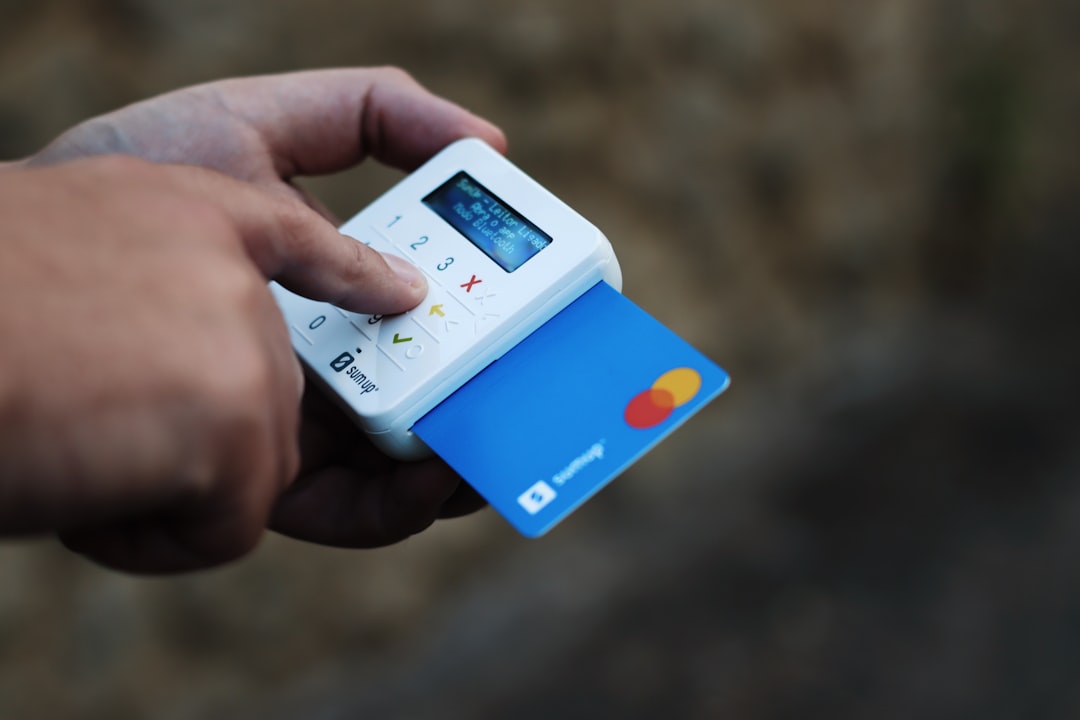
What Is Tokenization in PCI?
If you handle credit card payments in your business, you’ve probably heard the term “tokenization” thrown around—especially when discussing PCI compliance. But what exactly does it mean, and how can it help protect your business and customers?
What You’ll Learn in This Guide
In this comprehensive guide, we’ll break down tokenization in simple terms and show you how it fits into your PCI compliance strategy. You’ll discover:
- What tokenization actually means and how it works
- Why tokenization is crucial for PCI compliance
- Step-by-step guidance on implementing tokenization
- Common mistakes to avoid and how to prevent them
- When to handle tokenization yourself versus seeking professional help
Why This Matters for Your Business
Every time a customer pays with a credit card, sensitive payment data flows through your systems. Without proper protection, this data becomes a liability that could expose your business to costly data breaches, hefty fines, and damaged reputation. Tokenization offers a powerful solution that can significantly reduce these risks while helping you achieve PCI compliance more easily.
Who This Guide Is For
This guide is designed for business owners, IT managers, and anyone responsible for handling credit card payments who wants to understand tokenization without getting lost in technical jargon. Whether you’re just starting your PCI compliance journey or looking to improve your current security measures, this guide will give you the foundation you need.
The Basics: Understanding Tokenization
What Is Tokenization?
Think of tokenization as a secure swap system for credit card data. Instead of storing actual credit card numbers in your systems, tokenization replaces this sensitive information with unique, random strings of characters called “tokens.” These tokens have no mathematical relationship to the original card data and are useless to hackers if stolen.
Here’s a simple example:
- Original Credit Card Number: 4532-1234-5678-9012
- Token: 7849-XMKP-2QWE-RT56
The token looks similar to a credit card number but contains no sensitive information. Your payment processor maintains a secure “vault” that maps tokens back to the original card data when needed for transactions.
Key Terminology You Should Know
Token: A random string of characters that replaces sensitive payment data
Tokenization System: The technology platform that creates, manages, and stores tokens
Token Vault: A highly secure database where the mapping between tokens and actual card data is stored
Detokenization: The process of converting a token back to its original card data (only done by authorized systems)
PCI DSS: Payment Card Industry Data Security Standard—the set of security requirements for handling credit card data
How Tokenization Relates to Your Business
When customers make purchases, their credit card information enters your payment flow. With tokenization:
1. Card data is immediately converted to tokens
2. Only tokens are stored in your business systems
3. Actual card data stays in secure, PCI-compliant vaults
4. Your business systems never store sensitive payment information
This dramatically reduces your PCI compliance scope because you’re no longer storing, processing, or transmitting actual credit card data in most of your systems.
Why Tokenization Matters for PCI Compliance
Business Implications
Tokenization isn’t just about following rules—it’s about protecting your business. Here’s why it matters:
Reduced Liability: When you don’t store actual credit card data, you can’t lose what you don’t have. This significantly reduces your liability in case of a security incident.
Simplified Compliance: Tokenization can help you qualify for simpler PCI compliance requirements, potentially moving you from complex assessments to simpler self-assessment questionnaires.
Customer Trust: Customers feel more confident doing business with companies that take their payment security seriously.
Operational Efficiency: With proper tokenization, you can still access customer payment information for legitimate business needs (like processing returns) without handling sensitive data.
Risk of Non-Compliance
Failing to properly protect credit card data can result in:
- Fines and Penalties: From $5,000 to $100,000 per month until compliance is achieved
- Higher Processing Fees: Payment processors may increase your rates for non-compliance
- Loss of Processing Rights: In severe cases, you could lose the ability to accept credit cards
- Data Breach Costs: Average cost of a data breach involving payment cards exceeds $4 million
- Reputation Damage: Customer trust, once lost, is difficult to rebuild
Benefits of Proper Tokenization
When implemented correctly, tokenization provides:
- Reduced PCI Scope: Fewer systems need to meet strict PCI requirements
- Lower Compliance Costs: Simpler assessments mean lower consulting and audit fees
- Enhanced Security: Even if your systems are compromised, stolen tokens are useless
- Flexibility: You can still use customer payment data for legitimate business purposes
- Peace of Mind: Sleep better knowing your customer data is protected
Step-by-Step Guide to Implementing Tokenization
Step 1: Assess Your Current Payment Flow
Before implementing tokenization, understand how credit card data currently flows through your business:
- Map out every system that touches payment data
- Identify where card data is currently stored
- Document all integrations with payment processors
- Note any systems that display or use stored card data
Timeline: 1-2 weeks for most small to medium businesses
Step 2: Choose Your Tokenization Approach
You have several options:
Payment Processor Tokenization: Many processors offer tokenization services as part of their platform. This is often the simplest option for small businesses.
Third-Party Tokenization: Specialized vendors provide tokenization services that work with multiple processors.
In-House Tokenization: Large businesses might develop their own tokenization systems, though this requires significant technical expertise and compliance overhead.
Timeline: Research and decision phase typically takes 2-4 weeks
Step 3: Select a Tokenization Provider
When evaluating providers, consider:
- PCI Compliance: Ensure the provider maintains appropriate PCI certification
- Integration Ease: How easily can their solution integrate with your existing systems?
- Scalability: Can the solution grow with your business?
- Support: What level of technical support is provided?
- Cost: Understand all fees, including setup, monthly, and transaction costs
- Reliability: Look for providers with strong uptime guarantees
Timeline: Provider evaluation and selection typically takes 3-6 weeks
Step 4: Plan Your Implementation
Work with your chosen provider to develop an implementation plan:
- Technical Integration: Determine what changes are needed to your systems
- Data Migration: Plan how existing stored card data will be tokenized
- Testing Strategy: Develop a comprehensive testing plan
- Rollback Plan: Prepare for potential issues during implementation
- Staff Training: Ensure your team understands the new processes
Timeline: Planning phase usually takes 2-4 weeks
Step 5: Implement and Test
Follow your implementation plan carefully:
- Start with a test environment before touching production systems
- Tokenize existing stored card data
- Update systems to use tokens instead of card data
- Test all payment flows thoroughly
- Verify that legitimate business processes still work correctly
Timeline: Implementation typically takes 4-12 weeks depending on system complexity
Step 6: Validate and Monitor
After implementation:
- Conduct thorough testing of all payment scenarios
- Verify that no systems still store actual card data
- Update your PCI compliance documentation
- Establish monitoring to ensure the tokenization system continues working properly
- Train staff on new processes
Timeline: Validation and initial monitoring setup takes 2-3 weeks
Common Questions Beginners Have
“Will Tokenization Affect My Customer Experience?”
When implemented properly, customers shouldn’t notice any difference in their payment experience. The tokenization process happens behind the scenes and doesn’t add noticeable delays to transactions. In fact, many customers appreciate knowing their payment information is better protected.
“Is Tokenization Expensive?”
Costs vary widely depending on your provider and transaction volume. Many payment processors include basic tokenization at no extra charge, while specialized solutions might cost $0.02-$0.10 per transaction. Consider this against the potential costs of a data breach or complex PCI compliance requirements.
“Will I Still Need PCI Compliance?”
Yes, but tokenization can significantly simplify your compliance requirements. You’ll likely qualify for a simpler Self-Assessment Questionnaire (SAQ) instead of a full on-site assessment. However, you still need to protect the systems that handle the initial card data capture and tokenization process.
“What Happens If the Tokenization System Goes Down?”
Reputable tokenization providers maintain high availability systems with redundancy and backup procedures. During your provider evaluation, ask about their uptime guarantees and disaster recovery procedures. Most enterprise-grade solutions maintain 99.9% or better uptime.
“Can I Still Process Refunds and Recurring Payments?”
Absolutely! Tokens can be used for all legitimate business purposes, including refunds, recurring billing, and customer service inquiries. The tokenization system handles the secure conversion back to payment data when needed for these authorized activities.
“How Long Does Implementation Take?”
Implementation timelines vary based on system complexity and business requirements. Simple implementations with payment processor tokenization might take 4-8 weeks, while complex custom integrations could take 3-6 months or longer.
Common Mistakes to Avoid
Mistake 1: Choosing Tokenization Based on Price Alone
The Problem: Selecting the cheapest option without considering security, reliability, and compliance implications.
How to Prevent It: Evaluate providers based on security credentials, compliance certifications, reliability track record, and total cost of ownership—not just upfront price.
If You Make This Mistake: If you realize your provider doesn’t meet your security or compliance needs, start evaluating alternatives immediately. The cost of switching providers is usually less than the risk of staying with an inadequate solution.
Mistake 2: Incomplete Data Migration
The Problem: Failing to tokenize all existing stored card data, leaving sensitive information in old systems or databases.
How to Prevent It: Conduct a thorough audit of all systems and databases before implementation. Create a comprehensive data migration plan that accounts for all stored payment data.
If You Make This Mistake: Immediately identify and secure any remaining card data. Work with your tokenization provider to complete the migration as quickly as possible.
Mistake 3: Inadequate Testing
The Problem: Not thoroughly testing all payment flows and business processes after tokenization implementation.
How to Prevent It: Develop a comprehensive test plan that covers all payment scenarios, including edge cases and error conditions. Test in a safe environment before going live.
If You Make This Mistake: Take your systems offline if necessary and conduct thorough testing before resuming normal operations. It’s better to have temporary downtime than permanent damage from untested systems.
Mistake 4: Neglecting Staff Training
The Problem: Implementing tokenization without properly training staff on new processes and procedures.
How to Prevent It: Include staff training as a key component of your implementation plan. Ensure everyone who handles payments understands the new processes.
If You Make This Mistake: Conduct immediate training sessions for all relevant staff. Consider temporary restrictions on payment processing activities until training is complete.
Mistake 5: Ignoring Compliance Documentation
The Problem: Implementing tokenization but failing to update PCI compliance documentation and procedures.
How to Prevent It: Work with your compliance team or consultant to update all relevant documentation as part of your implementation plan.
If You Make This Mistake: Immediately update your compliance documentation to reflect your new tokenized environment. This may affect which PCI assessment type you need to complete.
Getting Help: DIY vs. Professional Services
When You Can Handle It Yourself
You might be able to implement tokenization in-house if:
- Your business uses simple payment processing with minimal customization
- You have experienced IT staff familiar with payment systems
- Your payment processor offers straightforward tokenization services
- You have a limited number of systems that handle payment data
When You Need Professional Help
Consider hiring experts if:
- Your payment systems are complex or highly customized
- You process large volumes of transactions
- You have multiple payment processors or channels
- Your business operates in a highly regulated industry
- You lack in-house technical expertise
- You’ve experienced compliance issues in the past
Types of Professional Services Available
Payment Processor Services: Many processors offer tokenization as part of their service package, including implementation support.
PCI Consulting Firms: Specialize in PCI compliance and can help with tokenization strategy and implementation.
System Integrators: Technology companies that specialize in payment system integrations and can handle complex implementations.
Managed Service Providers: Offer ongoing management of tokenization systems and PCI compliance.
How to Evaluate Service Providers
When selecting professional help:
- Experience: Look for providers with extensive experience in your industry and business size
- Certifications: Verify relevant PCI and security certifications
- References: Speak with other clients about their experiences
- Scope: Ensure they can handle all aspects of your tokenization needs
- Support: Understand what ongoing support is included
- Pricing: Get detailed pricing that includes all costs and potential extras
Next Steps: Your Tokenization Journey
Immediate Actions to Take
After reading this guide, here’s what you should do:
1. Assess Your Current State: Map out how your business currently handles credit card data
2. Research Providers: Start researching tokenization options available through your payment processor
3. Budget Planning: Estimate costs for tokenization implementation and ongoing operations
4. Team Assembly: Identify who in your organization will be involved in the tokenization project
5. Timeline Development: Create a rough timeline for your tokenization implementation
Related Topics to Explore
To deepen your understanding of payment security and PCI compliance:
- Encryption vs. Tokenization: Learn the differences and when to use each approach
- Point-to-Point Encryption (P2PE): Another method for protecting payment data
- PCI SAQ Types: Understand which Self-Assessment Questionnaire applies to your business
- Payment Security Best Practices: Comprehensive approach to protecting payment data
- Data Breach Response: How to prepare for and respond to security incidents
Resources for Deeper Learning
- PCI Security Standards Council: Official PCI DSS documentation and guidance
- Payment Processor Documentation: Technical guides specific to your payment platform
- Industry Publications: Stay updated on payment security trends and threats
- Professional Training: Consider PCI certification courses for key staff members
- Compliance Communities: Join forums and groups focused on PCI compliance
Frequently Asked Questions
1. Does tokenization completely eliminate my PCI compliance requirements?
No, tokenization reduces your PCI compliance scope but doesn’t eliminate it entirely. You still need to secure the systems that initially capture and tokenize card data. However, tokenization can help you qualify for simpler compliance assessments like SAQ A or SAQ A-EP instead of more complex requirements.
2. Can I use tokenization for both online and in-person payments?
Yes, tokenization works for all payment channels—online, mobile, phone orders, and point-of-sale systems. However, you may need different tokenization approaches for different channels, and some implementations are more complex than others.
3. What happens to my existing stored credit card data when I implement tokenization?
Your tokenization provider should help migrate existing card data. This typically involves securely transmitting the stored data to the tokenization system, which returns tokens that replace the original card numbers in your databases. The original data is then securely deleted from your systems.
4. How do I know if my tokenization provider is secure and compliant?
Look for providers that maintain relevant PCI certifications (such as PCI Level 1 Service Provider status), undergo regular security audits, and can provide detailed compliance documentation. Ask about their security measures, encryption standards, and access controls.
5. Can tokenization slow down my payment processing?
Modern tokenization systems add minimal latency to payment processing—typically just a few milliseconds. The tokenization process is designed to be fast and shouldn’t noticeably impact customer experience. However, poorly implemented systems or unreliable providers could cause delays.
6. What should I do if I suspect a problem with my tokenization system?
Contact your tokenization provider immediately if you notice any issues. Most providers offer 24/7 technical support for critical systems. Have a documented incident response plan that includes contact information, escalation procedures, and temporary workarounds if needed.
Conclusion
Tokenization represents one of the most effective ways to reduce your PCI compliance burden while enhancing payment security. By replacing sensitive credit card data with secure tokens, you can dramatically reduce your risk exposure and simplify your compliance requirements.
Remember that tokenization isn’t a one-size-fits-all solution—the right approach depends on your business size, technical capabilities, and specific requirements. Whether you choose payment processor tokenization, a third-party solution, or develop an in-house system, the key is to implement it properly with thorough planning, testing, and documentation.
The investment in tokenization pays dividends through reduced compliance costs, enhanced security, and peace of mind. Most businesses find that the benefits far outweigh the implementation costs, especially when considering the potential costs of data breaches and complex PCI assessments.
Ready to Start Your PCI Compliance Journey?
Don’t let PCI compliance overwhelm you. Use our free PCI SAQ Wizard tool at PCI