Cloudflare vs Sucuri for PCI

icon

Cloudflare vs Sucuri for PCI: WAF Security for Your Card Data Environment Bottom Line: Both Cloudflare and Sucuri provide WAF capabilities that support PCI compliance, but Cloudflare offers more comprehensive security features and better integration with existing infrastructure for most merchants. Sucuri excels for WordPress-heavy environments where simplicity matters more than advanced features. What’s Being … Read more


Qualys vs Tenable for PCI

Miniature houses with euro banknotes and sticky notes.

The Bottom Line For PCI compliance vulnerability scanning, Qualys VMDR wins for enterprise environments needing comprehensive vulnerability management beyond PCI, while Tenable Nessus provides better value for merchants focused primarily on meeting PCI scanning requirements. Most Level 3-4 merchants will find Tenable’s straightforward approach and lower cost more appropriate for their quarterly ASV scans. What’s … Read more

Annual vs Continuous Compliance

Miniature houses with euro banknotes and sticky notes.

Annual vs Continuous Compliance Bottom Line: Most merchants should adopt continuous compliance monitoring rather than treating PCI as an annual checkbox. While annual validation meets minimum requirements, continuous compliance protects your business year-round and makes annual assessments straightforward rather than stressful. What’s Being Compared and Why It Matters The annual vs continuous PCI compliance debate … Read more

Direct API vs Hosted: PCI Scope

A green and red apple sit side by side.

The Bottom Line For most merchants, hosted payment solutions dramatically reduce PCI scope and compliance burden — you’ll complete a simple SAQ A with just 22 requirements instead of wrestling with the 200+ requirements of direct API implementations. Unless you have compelling business reasons for handling card data directly (like complex recurring billing scenarios or … Read more

Redirect vs iFrame: PCI Impact

two white arrows pointing in opposite directions on asphalt

Redirect vs iFrame: PCI Impact Bottom Line: For most merchants accepting online payments, redirect is the safer choice — it completely removes your site from PCI scope and limits you to SAQ A with just 22 requirements. iFrames keep more of your site in scope, requiring SAQ A-EP with 191 requirements, but offer better control … Read more

WooCommerce Payments vs Stripe

Credit card and payment device in shopping bag.

Bottom Line WooCommerce Payments vs Stripe comes down to integration simplicity versus feature flexibility. For most WooCommerce store owners who want the shortest path to PCI compliance, WooCommerce Payments wins — it’s built specifically for WooCommerce, requires minimal configuration, and typically qualifies you for SAQ A. Choose Stripe if you need advanced payment features, multi-platform … Read more

Toast vs Square: Restaurant PCI

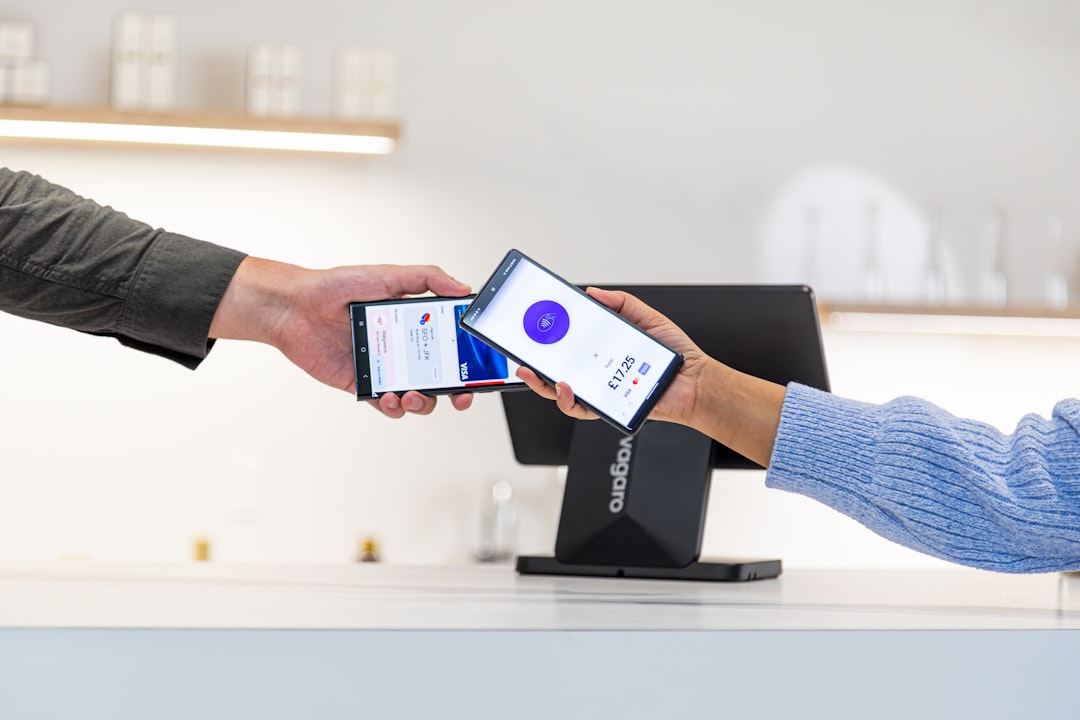
Customer paying with smartphone at point of sale terminal.

Bottom Line For most restaurants, Square offers a simpler PCI compliance path with integrated payments that typically qualify for SAQ A or B, while Toast provides restaurant-specific features but often requires the more complex SAQ C-VT or D due to its cloud-based architecture. Your choice should depend on whether you prioritize minimal compliance burden (Square) … Read more

Adyen vs Stripe: PCI Compliance

a man standing next to a green atm machine

Bottom Line If you’re a standard e-commerce merchant or marketplace, Stripe’s payment integration typically simplifies your PCI compliance to SAQ A or SAQ A-EP. For enterprise merchants with complex payment flows, multiple regions, or specific customization needs, Adyen offers more flexibility but may require SAQ D compliance depending on your implementation. What’s Being Compared and … Read more

Authorize.Net vs Stripe: PCI

text

Bottom Line For pure PCI compliance simplicity, Stripe wins hands down — their modern architecture enables most merchants to qualify for SAQ A, the shortest questionnaire with just 22 requirements. However, if you need advanced fraud tools, complex payment routing, or you’re already invested in the Authorize.Net ecosystem, the slightly more complex SAQ A-EP compliance … Read more

SAQ C vs SAQ D: When to Use Each

Hands holding tax forms with calculator and laptop.

SAQ C vs SAQ D: When to Use Each Bottom Line SAQ C is for merchants with payment applications connected to the internet (but no card storage), while SAQ D is for everyone else — including merchants who store cardholder data electronically or have complex payment environments. If you’re processing payments through a virtual terminal … Read more

1,650 PCI scans completed this month